Seven Million Years: five movements for a forgotten history
The "Seven Million Years" journey is the narrative of the Forum de Femme: the human adventure read through what women carried, made and passed on. It unfolds in five movements: Carrying life, Shaping the world, Passing on civilizations, Recognizing women, Honoring living women.
This journey is the one told in the film. It offers one reading, the founder’s, and does not claim to replace the work of historians. The Forum’s site adds a cross-cutting reading, Trace, Gesture, Memory: textiles as a living archive, gesture as transmitted knowledge, memory as collective transmission.
I. Carrying life
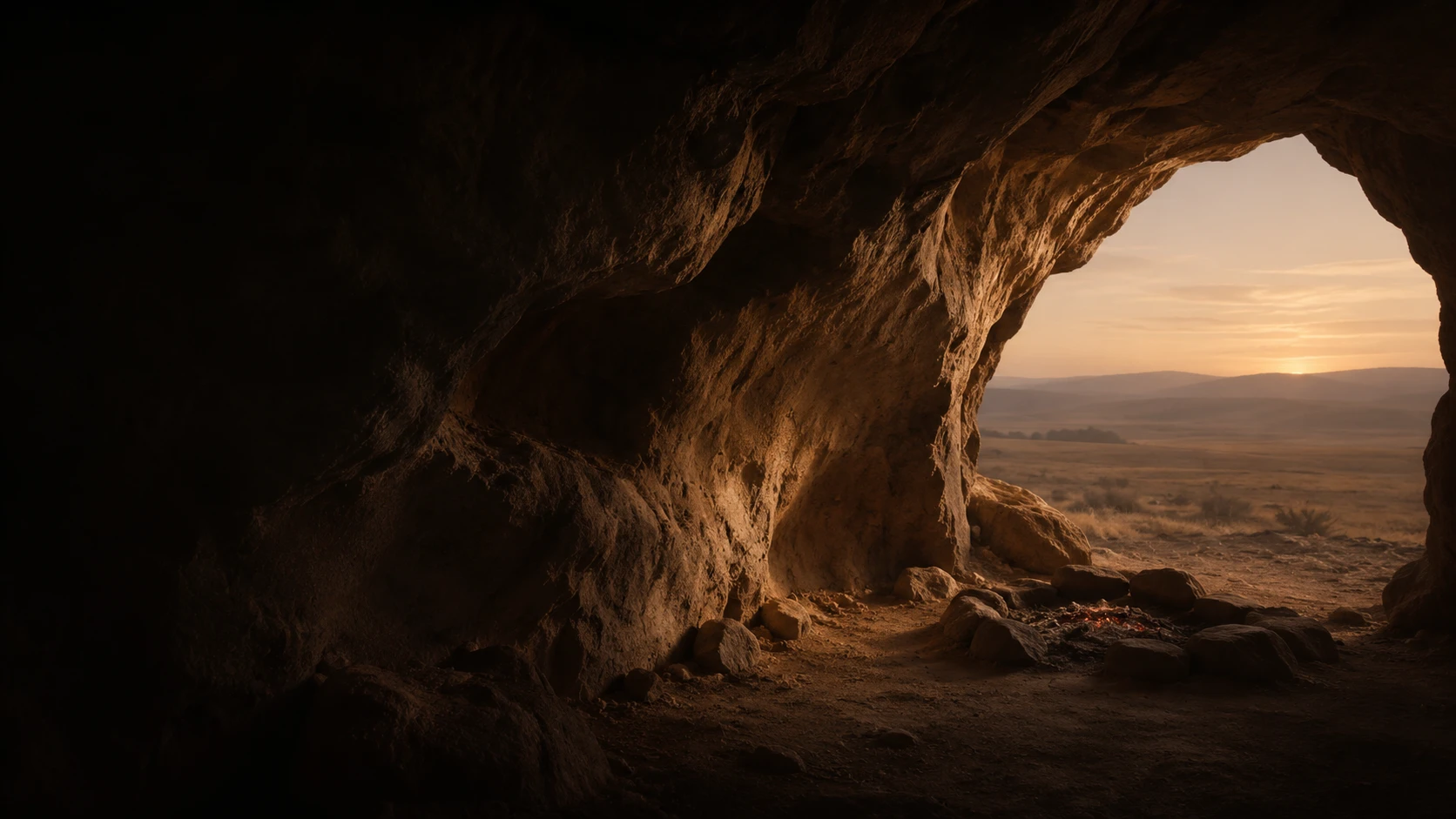
Seven million years ago, our most distant ancestors lived deep in the forests. Every birth was close to a miracle. A pregnant woman cannot run, nor can a nursing mother. So it is around them that the group stops, takes shelter and organizes itself. It is around mothers that the first home was born.
In Morocco, at Jebel Irhoud, the oldest known remains of Homo sapiens were found: more than three hundred thousand years old. Among these first humans, there were mothers.
Giving life, risking her own.
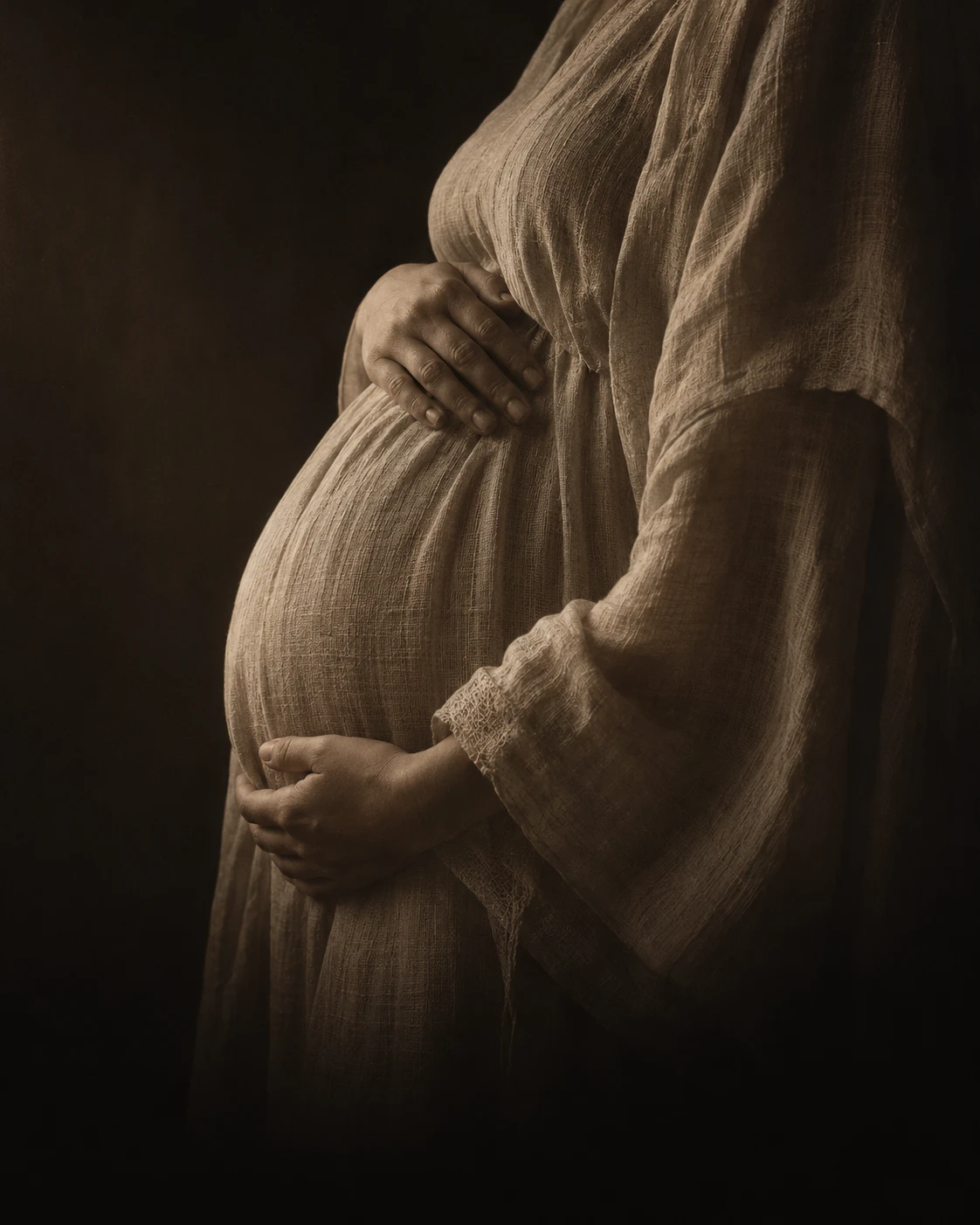
Nine months carrying life, then childbirth. For centuries, the caesarean killed almost every woman who underwent it. It took hygiene, anesthesia and sutures for giving life to stop being a deadly gamble. Today, one child in five is born by caesarean.
II. Shaping the world
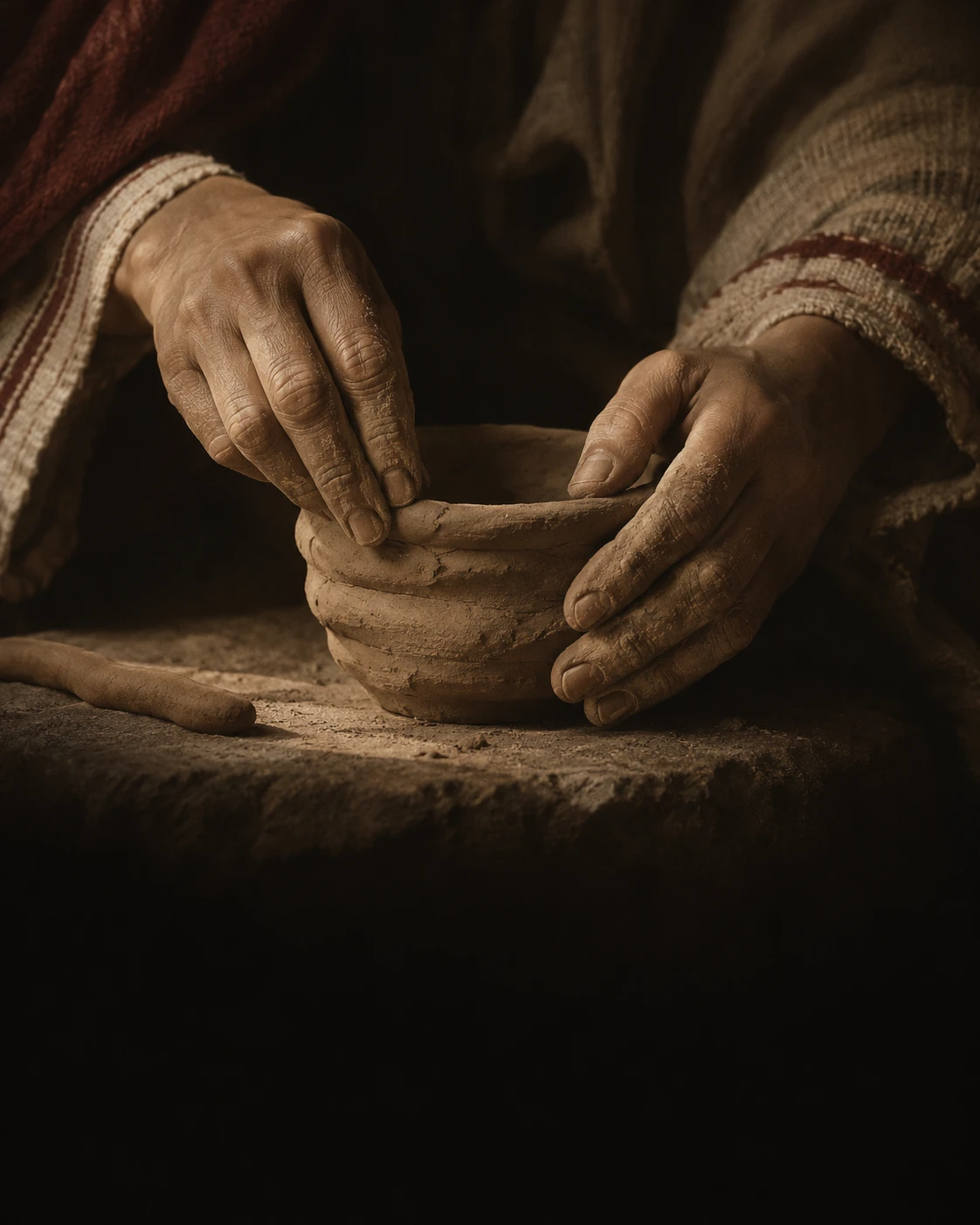
About nineteen thousand years ago, clay meets fire. Now people can cook, store, carry, share. The woman pounds the grain, grinds it, kneads the dough, bakes the bread. She rocks the goatskin until butter and buttermilk are born, a gesture that grandmothers still make in the Atlas Mountains.
"Thousands of years of meals, for all of humanity. And not one line in the history books."
III. Passing on civilizations
The goddesses.
Our ancestors saw divine women in procreation and the forces of nature: Isis, Hathor, Aphrodite, Venus and Lakshmi for love and fertility; Ishtar, Sekhmet, Athena, Durga and Kali for war; Artemis and Diana for the hunt.
Marriage.
It unites two families, two clans, then two peoples. At Volubilis, in 788, Idris finds refuge among the Awraba, an Amazigh tribe, and marries Kenza al-Awrabiya. She raises their son, Idris II, who will make Fez his capital. Each time, a woman is the bond of the alliance.
IV. Recognizing women
The invisible work.
Carrying water, washing linen in the river, feeding the family. For millennia, a large part of humanity’s work was neither paid, nor counted, nor even named. This invisible work kept homes standing. And homes kept societies standing.
The abuses.
The film names what women endured, in Asia, in Africa, in Arabia, in Europe. This violence belongs to no single people and no single religion. It was committed, and sometimes passed on, by men and by women, but it was also fought by others.
Monotheism.
The relationship of religions to women, the film says, is made of light and shadow. Between the two, one constant: the mother, the child’s first school.
The Great Ladies.
Despite the rigor of dogma, women governed, built, taught, discovered. See the page
V. Honoring living women
In Morocco, the film recalls the Family Code of 2004, the Constitution of 2011 and the new reform. The road is not finished, neither here nor elsewhere.
The Taj Mahal.
In 1631, at thirty-eight, Mumtaz Mahal dies giving birth to her fourteenth child. Emperor Shah Jahan raises a tomb of white marble for her. She never saw it. Hence the film’s lesson: we must not wait for a woman to be gone before we honor her.
"This Forum is dedicated to living women: our mothers, our daughters, our sisters, our wives, and to the men who walk beside them."