The collections: what women’s garments have kept of history
The Dar Nissa Foundation holds a collection of more than 3,000 works: traditional costumes from the Maghreb, Asia and the Arab world, jewelry, Orientalist paintings and old photographs. The founder, Azeddine Sedrati, began gathering it after 1994. Its guiding idea: women’s garments hold the memory of civilizations.
"Every piece you will see here has been worn. By a bride, a grandmother, a young girl on her special day. Behind every jewel, there is a face."
How the collection began
It starts at a Maghreb veterinary congress in Tunis, in 1994. The next congress was to be held in Algiers in 1996; it was cancelled for political reasons. By then Azeddine Sedrati had gathered pieces from Tunisia, Libya and Algeria, and searched the antique dealers of Fez, Marrakech and Tangier. He decided to safeguard this heritage. From 2002 to 2012, Zahra, a young graduate, photographed every garment, classified every piece of jewelry and watched over their conservation. An accumulation became an archive.
The main families of pieces
The drape.
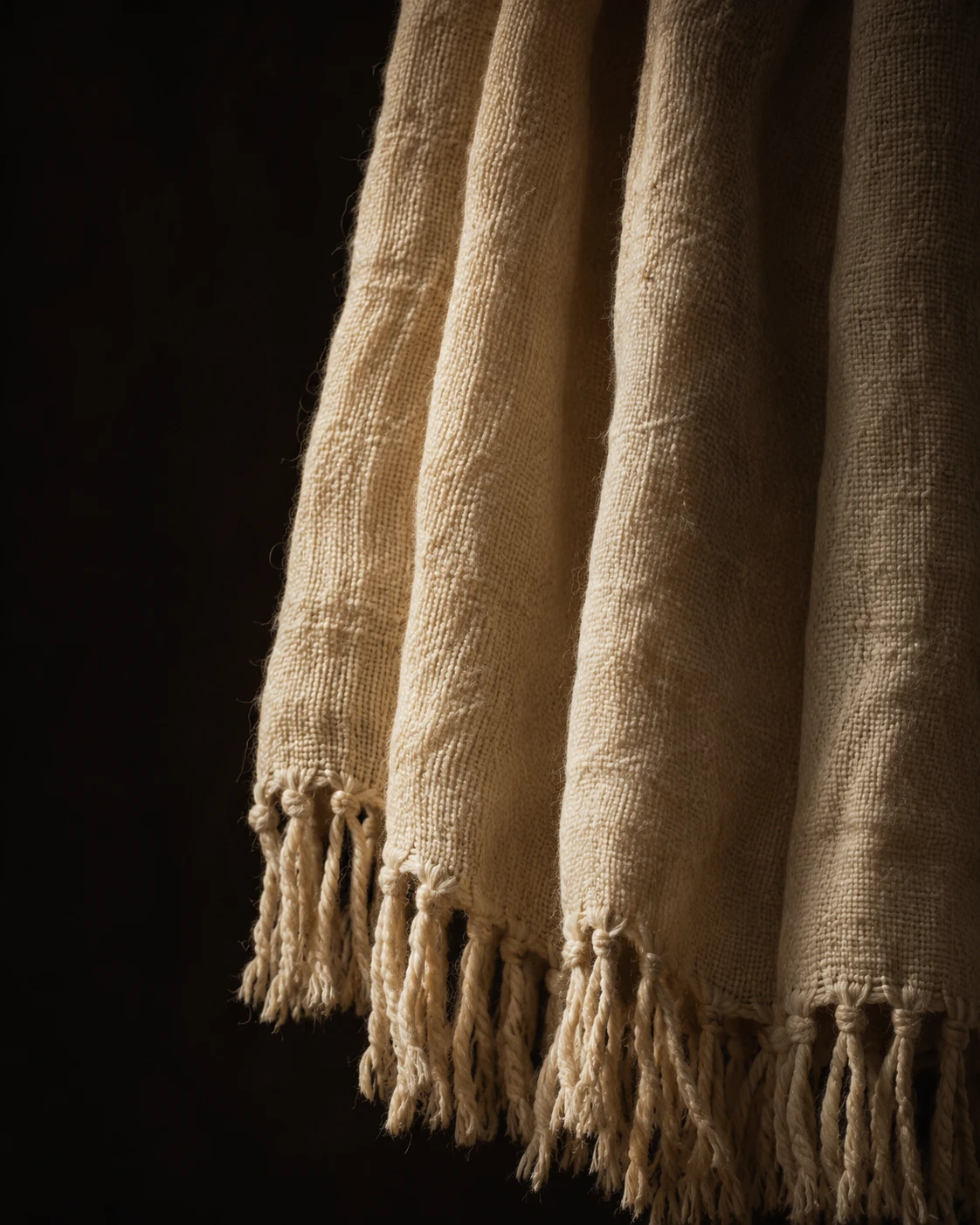
A single piece of cloth, wrapped around the body, held by fibulae and a belt: Berber drapes, the haik, the melhfa, the izar. The same gesture appears in the Greek peplos and the Indian sari.
Sewn garments.
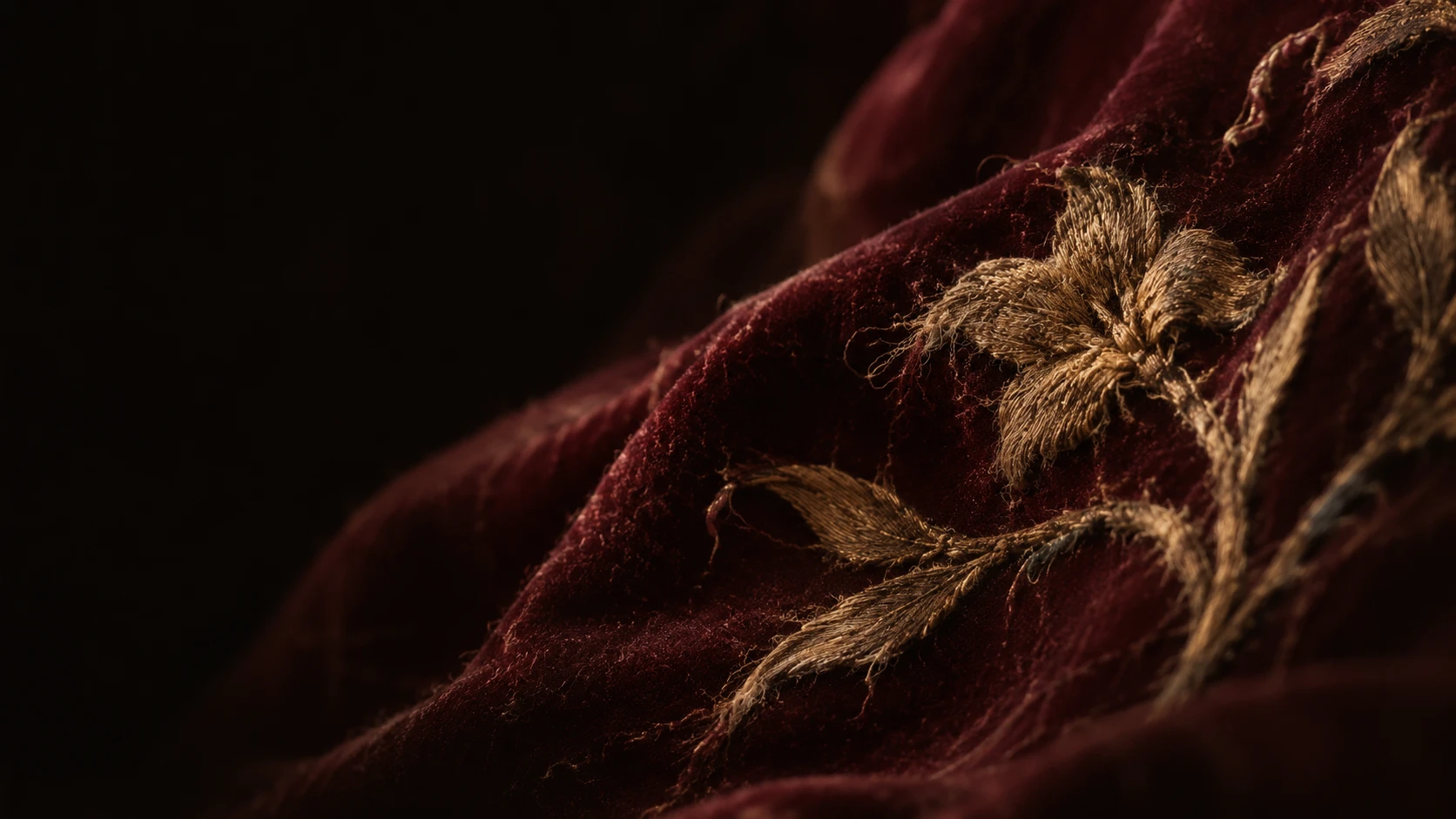
The caftan embroidered with gold. The keswa el kbira, the great gown of Moroccan Jewish brides, in velvet embroidered with gold. The djellaba, worn by Moroccan women to go out of the house.
Belts.
The belt of Fez, the belt of Tetouan, the Berber belt with wool tassels.
Jewelry.
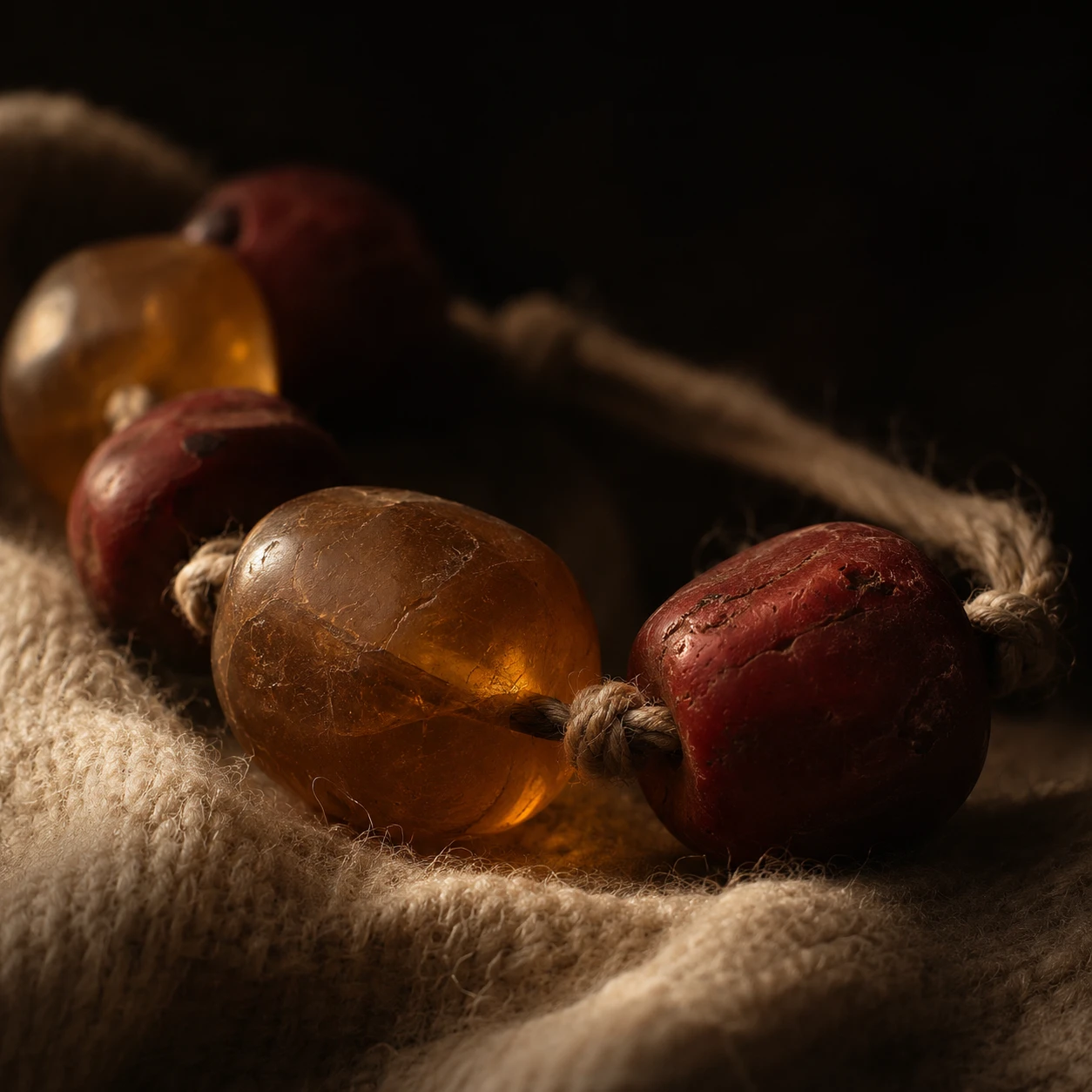
Silver and gold jewelry, fibulae, amber and coral necklaces, the hand of Fatima. Every region, every community wrote its history in thread and metal.
The Moroccan caftan, heritage of humanity
On December 10, 2025, in New Delhi, the Moroccan caftan was inscribed on UNESCO’s Representative List of the Intangible Cultural Heritage of Humanity. The Foundation sees this as a further anchor for the museum-forum in Marrakech.
Preserving what is fragile
The Foundation chose Marrakech in part for its climate, favorable to the conservation of textiles and costumes. The museum-forum is designed to international costume conservation standards, with storage and restoration workshops in the basement. These standards are meant to open the way to collection exchanges with museums in Europe, America and Asia, and to contributions from African countries.